
A milestone for artivism in Kenya|Feb 2026
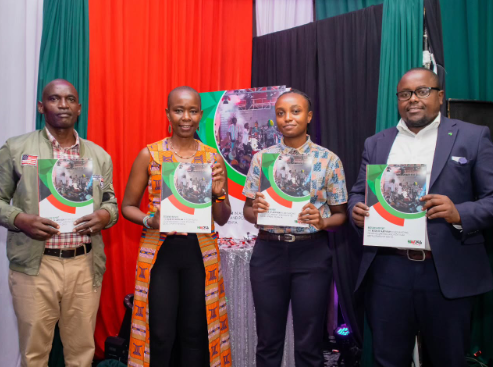
On 5 February 2026, PAWA254 released a research report titled The Role of Artivism in Advancing Socio Economic and Political Development in Kenya. The report draws on perspectives from artivists, civil society organisations, community based organisations, and government representatives, and makes a clear case that artivism is more than cultural expression. It is a form of civic communication that helps people enter public life, understand power, and participate in accountability conversations. As PAWA254 puts it, “art is more than creativity; it is courage, it is voice, and it is action.” The link to the full report is shared at the end of this article.
Artivism translates complex issues into accessible narratives
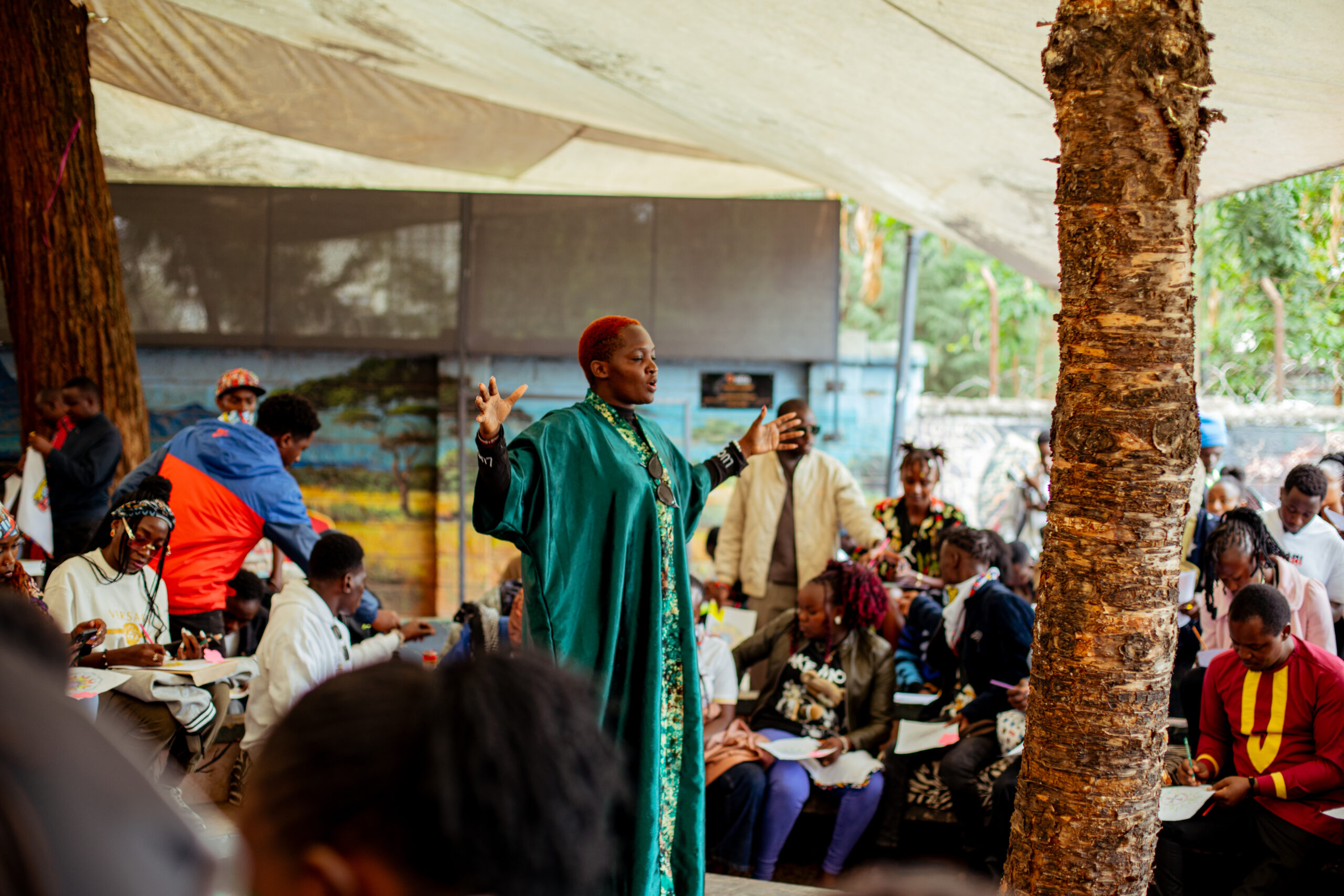
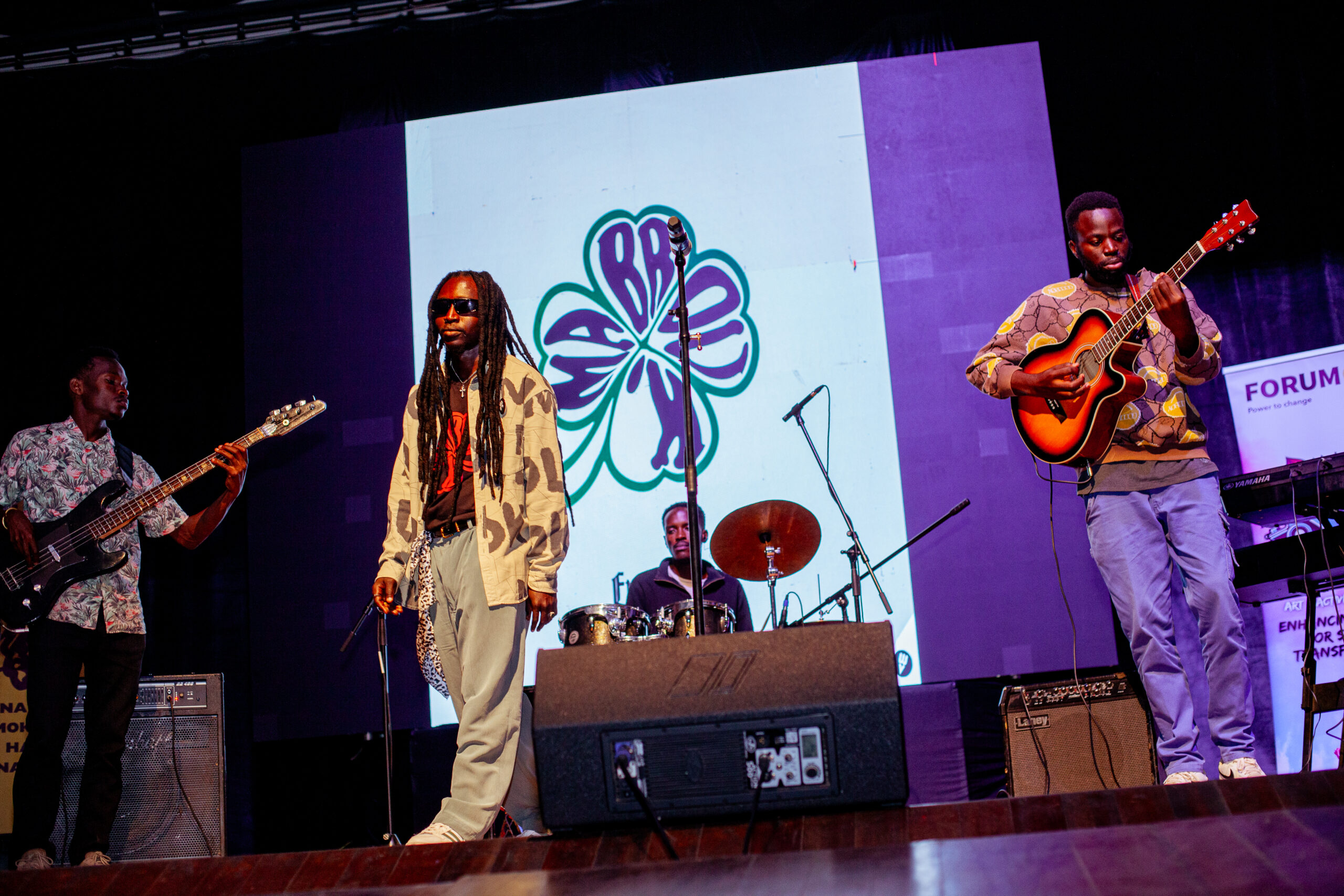
The report shows that artivists in Kenya use music, theatre, graffiti, poetry, fashion, and digital storytelling to communicate governance issues including corruption, human rights violations, gender based violence, environmental degradation, and electoral justice. This work turns complex public questions into narratives that people can recognise in daily life. It also expands civic literacy by reaching audiences beyond formal political spaces.
This matters for inclusion. The report finds that artivism expands democratic space by providing alternative avenues for participation, especially for groups that face barriers in conventional forums, including women, youth, and persons with disabilities.
A mirror and a mobiliser for society
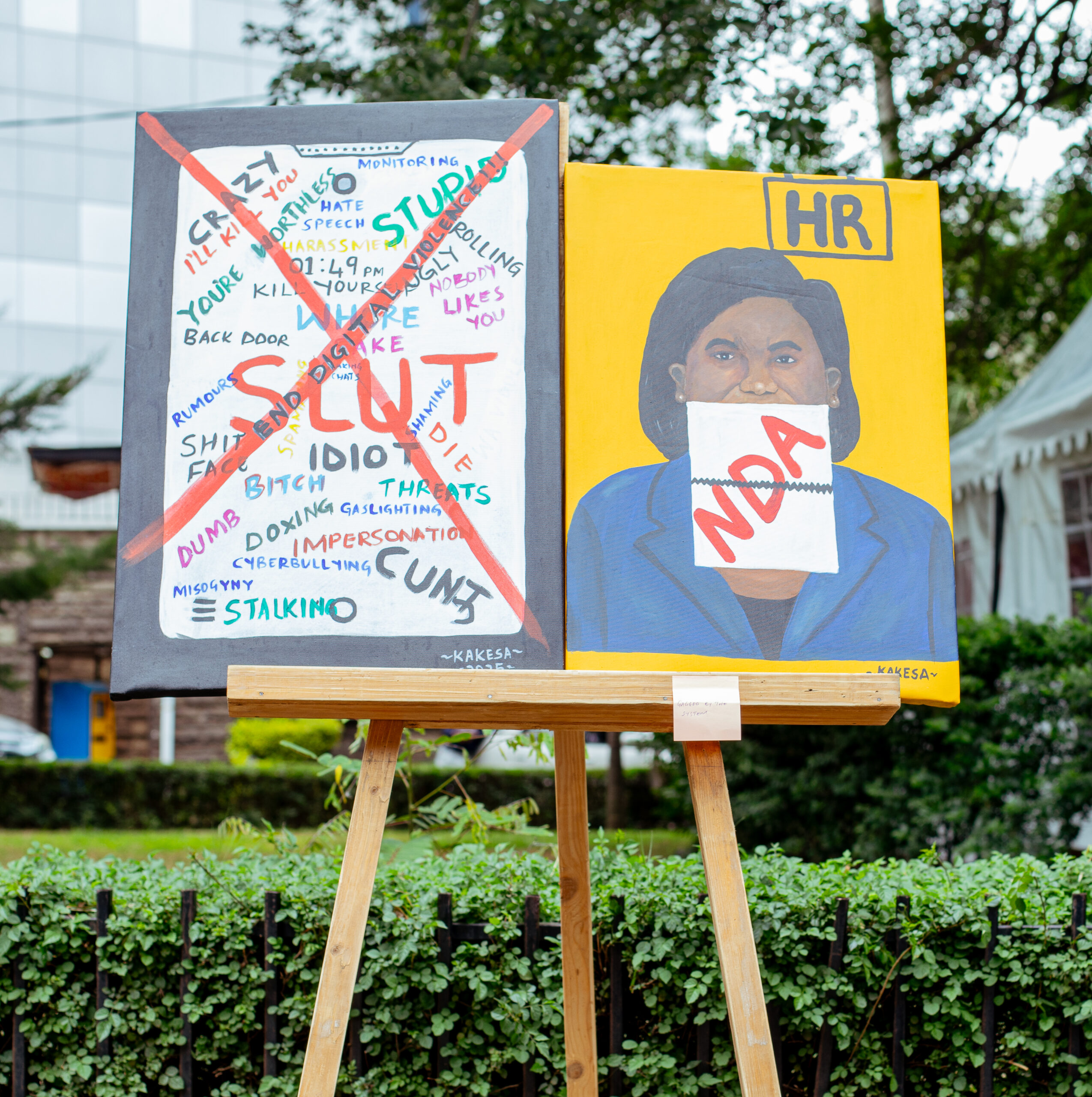
The report describes artivism as both reflection and action. It states that initiatives such as PAWA254 and The Nest Collective use creative expression to critique state power, mobilise civic engagement, and encourage inclusive governance practices, and that this shows how art can serve “as both a mirror and a mobilizer” in governance reform.
Across street art, community theatre, and digital storytelling, creative work reclaims public space for civic dialogue. In practice, this can look like murals that open conversations in neighbourhoods, performances that make public debates accessible, and storytelling that carries community experience into public discourse.
Civic infrastructure under restrictive conditions
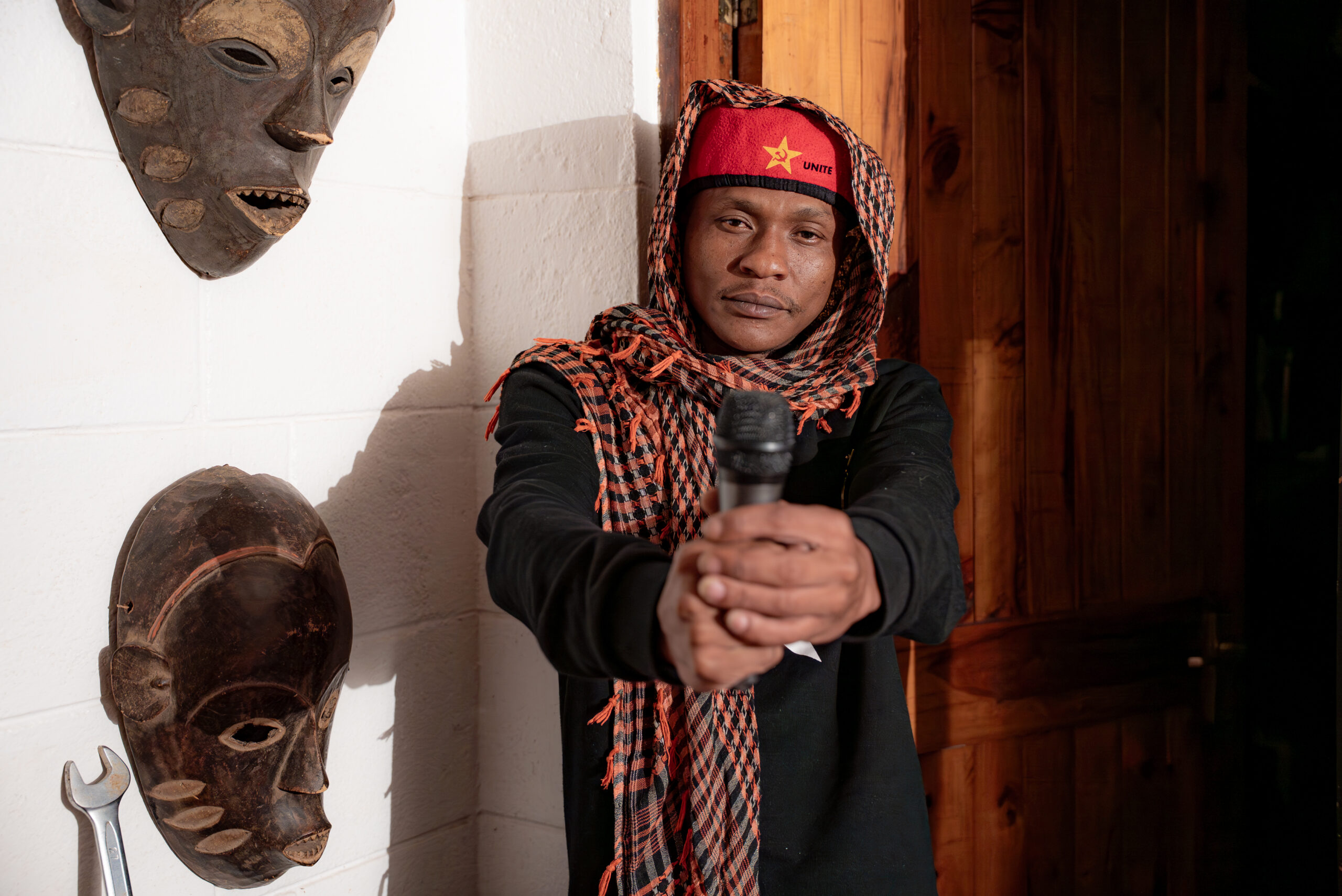
The report documents structural barriers that shape artivist work. These include censorship, restrictive regulation, intimidation, and weak institutional support. It notes that creative expression that critiques government actions or exposes corruption can face intimidation, licence revocation, or arbitrary arrests. It also identifies inadequate funding and limited investment in arts infrastructure as constraints that reduce continuity and scale.
In this context, artivism often relies on forms that remain visible in public space. The report highlights how community murals organised by PAWA254 have integrated excluded communities into conversations on urban justice and sustainable development. This is a practical example of civic communication that endures beyond a single event and stays rooted in community life.
Social and economic contributions that reinforce civic life
The report documents that artivism contributes to social and economic transformation through employment creation, cultural industries, and creative entrepreneurship. It also shows how community based art projects create spaces for dialogue and healing, and how this can strengthen cohesion across ethnic, gender, and class divides.
These outcomes sit alongside civic impacts. By raising awareness on governance and social justice issues, artivism can strengthen participation and accountability. The report also describes how artivist interventions can catalyse community mobilisation by turning creative expression into collective action, including grassroots organising and advocacy movements.
Expanding democratic space for marginalised groups
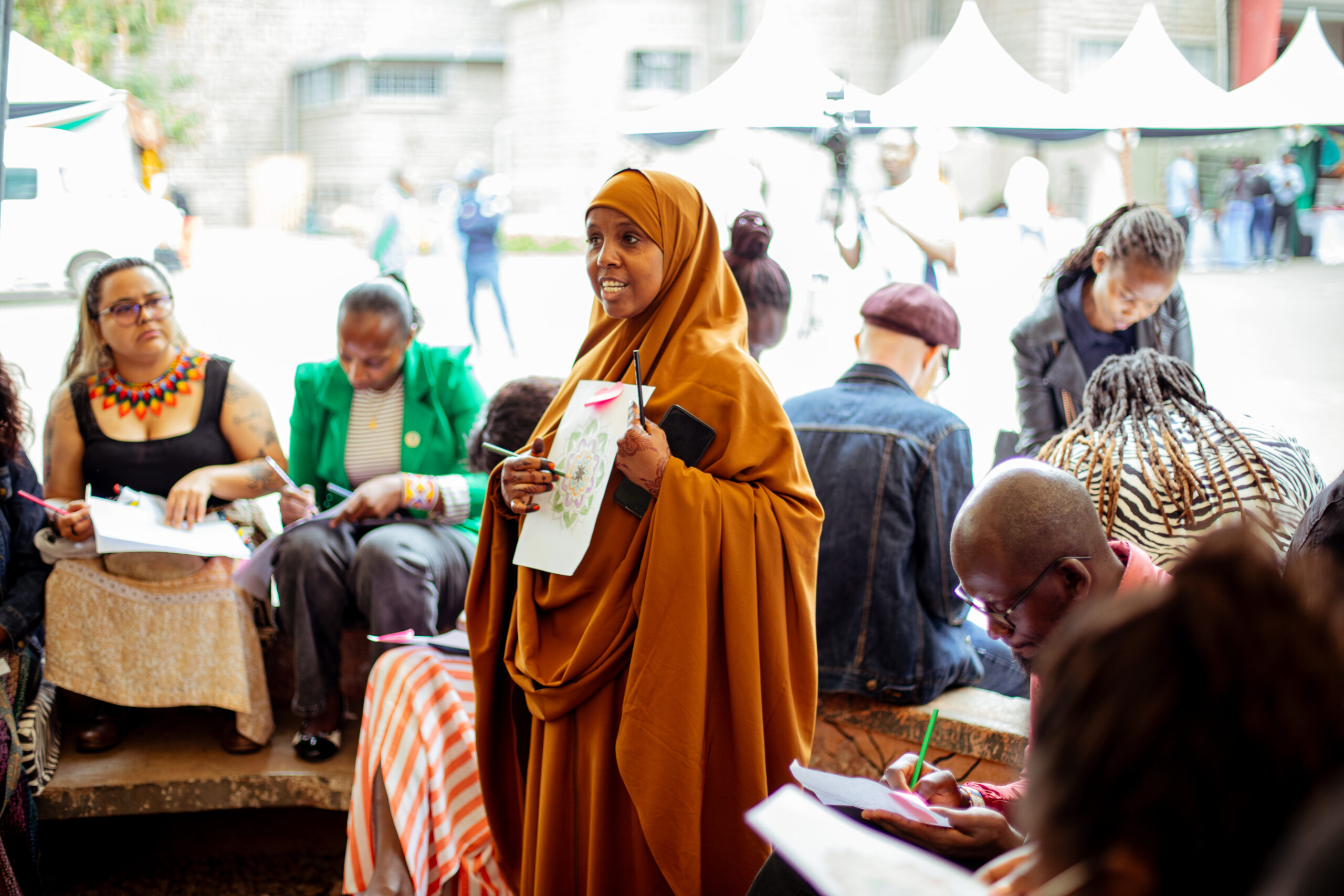
By engaging women, youth and persons with disabilities, artivists expand democratic participation beyond traditional political institutions. Their work makes public discourse more inclusive and encourages policy makers to consider the perspectives of communities that often remain unseen. The report highlights that artivist interventions have catalysed community mobilisation and volunteerism around social causes, inspiring grassroots organising and advocacy movements. Such collective action underscores artivism’s role as civic infrastructure rather than entertainment.
Challenges and resilience
The report is direct about constraints. Public misperceptions and cultural conservatism can delegitimise artistic protest, framing it as disruptive rather than civic. Funding gaps weaken sustainability. Restrictive regulation limits expressive space. Despite this, artivists continue to build civic education, public dialogue, and community healing through creative practice. This is where investment becomes a governance question rather than an arts question.
A case for investment in civic art
The report calls for strategic interventions that treat artivism as a legitimate tool for public participation. It recommends integrating artivism into national and county development frameworks, including civic education and youth empowerment. It calls for stronger digital inclusion, community based art hubs and inclusive creative spaces, and strengthened legal and psychosocial support systems for artivists, including coordinated referral networks, legal aid, and safety and wellbeing protocols.
These recommendations recognise a practical truth: civic communication needs infrastructure. When creative civic work is supported through policy, funding, and organising structures, it expands participation and strengthens social cohesion.
Conclusion
PAWA254’s report affirms that artivism is an essential form of civic communication in Kenya. By transforming creativity into civic education and community mobilisation, artivists create pathways for dialogue, accountability, and collective action. The report also makes clear that sustaining this contribution requires deliberate support, including inclusive spaces, protection systems, and integration into development planning. The full report is available here.
More to come
PS: This is the first article in a series titled Organising Artivism: Evidence, Community, and Civic Practice in Africa. The next articles move from the evidence to what it takes to sustain impact. Article 2 looks at how artivists become more effective when they organise as interpretive communities with shared learning and accountability. Article 3 focuses on risk, repression, and why collective protection, including legal and psychosocial support, belongs at the centre of artivist infrastructure. Article 4 explores artivism as civic pedagogy and movement memory, and what it takes to carry learning across time. Article 5 closes by connecting national evidence to continental architecture and the case for investing in Pan African organising as infrastructure. Stay tuned for the series.
Who is PAWA 254?
PAWA254 is a Kenyan arts and social justice organisation that has cultivated spaces where art and activism thrive for over fifteen years. The organisation is led by Executive Director Njeri Mwangi. Its work centres on the conviction that creative expression is a form of public voice and civic action. The report situates PAWA254 among movements that use creative expression to critique state power, mobilise civic engagement, and encourage inclusive governance practices. It also highlights PAWA254’s community murals as an example of creative work that brings excluded communities into conversations on urban justice and sustainable development. Through research, convening, and civic engagement practice, PAWA254 positions artivism as a legitimate part of Kenya’s development and governance journey.
About the author
 Gregory Mwendwa wa Kiio is a movement builder whose work blends education, strategic communications, community organising, and institutional design. He holds a Diploma in Information Technology from Jomo Kenyatta University of Agriculture and Technology, a Bachelor of Education from Kenyatta University, and executive certificates in global leadership and policy from the University of Amsterdam and Harvard University. He is currently completing a Master’s degree in Communication Studies at the United States International University Africa. Gregory has served in senior roles at Hivos Foundation, the Netherlands Embassy, Amnesty International, and the Luminate Group. As Principal Consultant at Masson and Associates Limited, he designs creative learning systems, supports community of practice formation, and translates evidence into strategy for social change organisations across Africa, Asia, and Latin America. His work centres on shifting power to communities, decolonising development practice, and harnessing arts, culture, technology, and media as tools for civic participation and social justice.